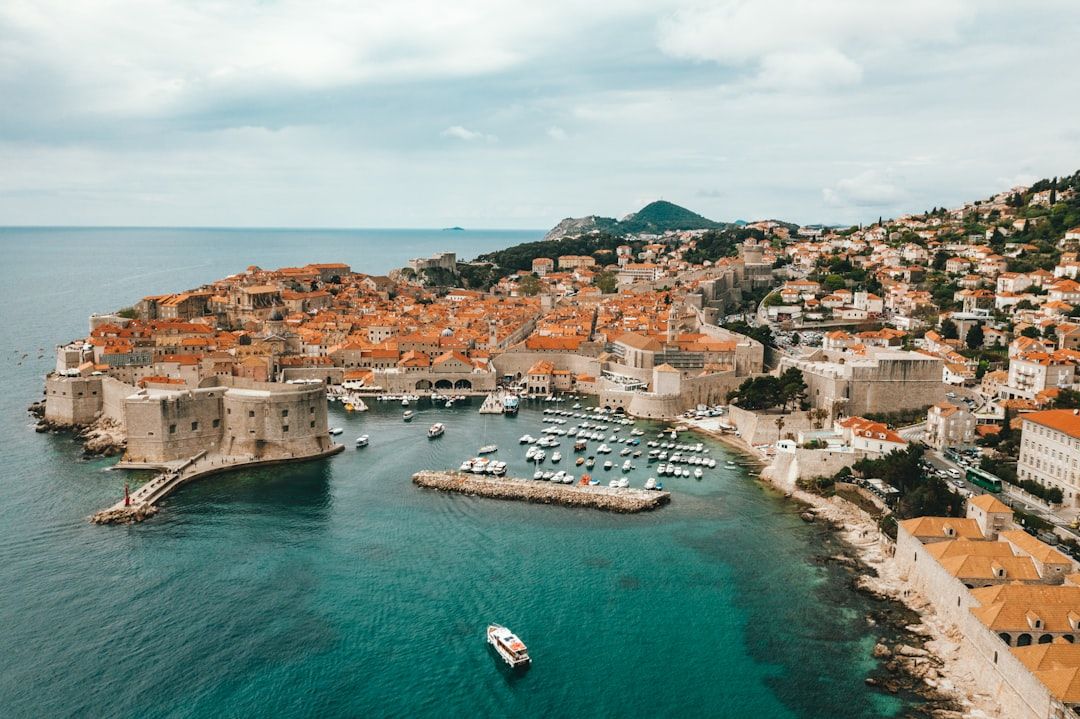
Dubrovnik's old town is roughly 500 metres across and receives visitor numbers that would strain a city ten times its size. Timing is not a refinement here; it is the whole strategy.
The walls
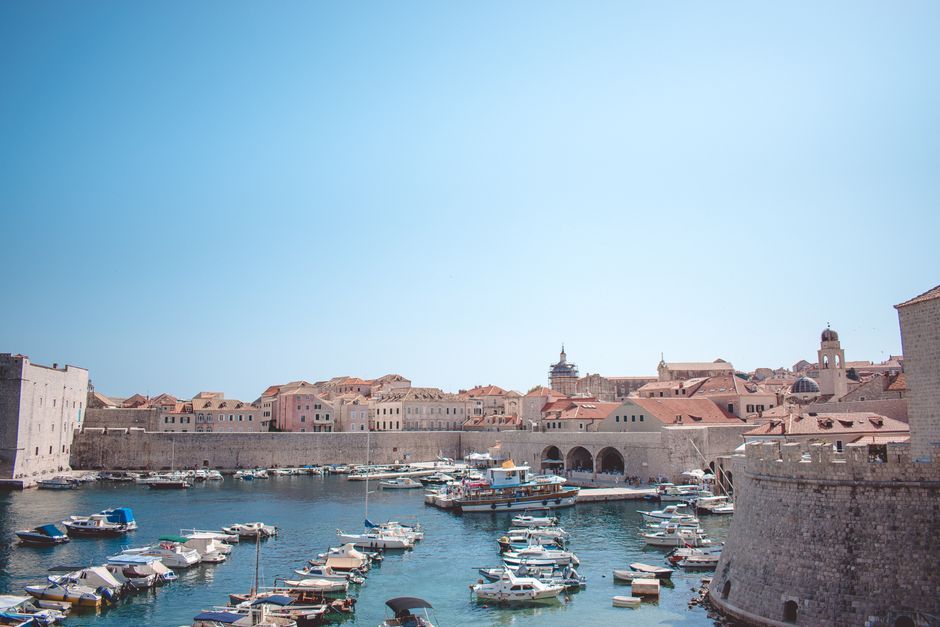
A two-kilometre circuit above the town and the sea, and the single best thing in Dubrovnik.
Go at opening or in the last hour. The route is one-way, has steps and almost no shade, and being caught behind a slow group in midday July heat is genuinely unpleasant.
Early morning also gives the best light across the terracotta roofs, and the roofs themselves tell a story — the brighter ones are replacements after the 1991–92 shelling.
Allow ninety minutes to two hours.
The cruise schedule
Arrivals concentrate thousands of people into the walled town between roughly mid-morning and late afternoon.
Port schedules are published in advance. Checking them lets you plan the old town for a lighter day, or for the hours outside that window.
The town in the evening, after the ships leave, is a different place — and it is when the residents come out.
Inside the walls
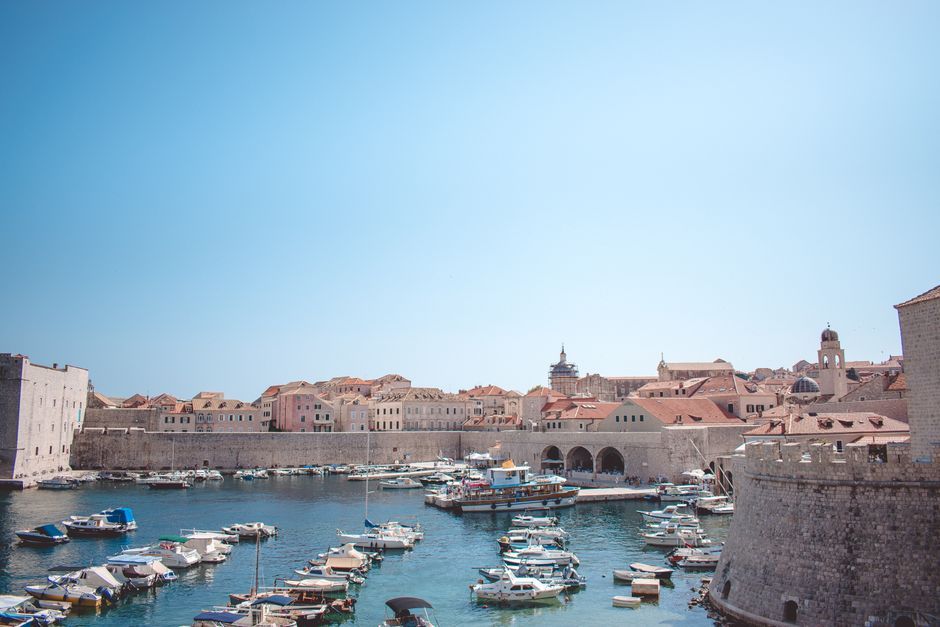
The Stradun, the main limestone-paved street, polished to a shine by five centuries of feet.
The Franciscan monastery, with one of Europe's oldest working pharmacies.
The Rector's Palace and the Sponza Palace.
The war photo exhibition and the memorial room documenting the siege, which most visitors skip and which explains the city they are walking through.
Buža bar, through a hole in the sea wall, where you drink on rocks above the water.
Getting out
The cable car to Mount Srđ — the view over the walled town and the islands, and one of the better paid attractions here. The road up can be driven or walked, about an hour uphill with little shade.
Lokrum island, ten minutes by boat — a botanical garden, peacocks, a small saltwater lake, and no accommodation, so it empties in the evening.
The Elafiti islands — Koločep, Lopud and Šipan — quiet, largely car-free, reachable by public ferry rather than an excursion boat, for very little money.
Cavtat, south along the coast, a quieter town reachable by boat.
Where to stay
Inside the walls — atmospheric, expensive, and involves stairs and luggage over polished stone.
Ploče or Pile, just outside the gates.
Lapad, twenty minutes by bus, with beaches and considerably lower prices.
Cavtat, for a base that is a town rather than an attraction.
Timing the year
May, June, September — warm, swimmable, and busy rather than overwhelming.
July and August — hot and at capacity, with accommodation prices roughly double.
October to April — Dubrovnik stays open unlike the islands, prices drop sharply, and the walls in winter light with nobody on them is arguably the best version of the city.
Practical
Split to Dubrovnik is four to five hours by bus, or a catamaran in season.
The coastal road crosses a short strip of Bosnian territory at Neum, though the Pelješac bridge now bypasses it — check whether your route and rental agreement involve the crossing.