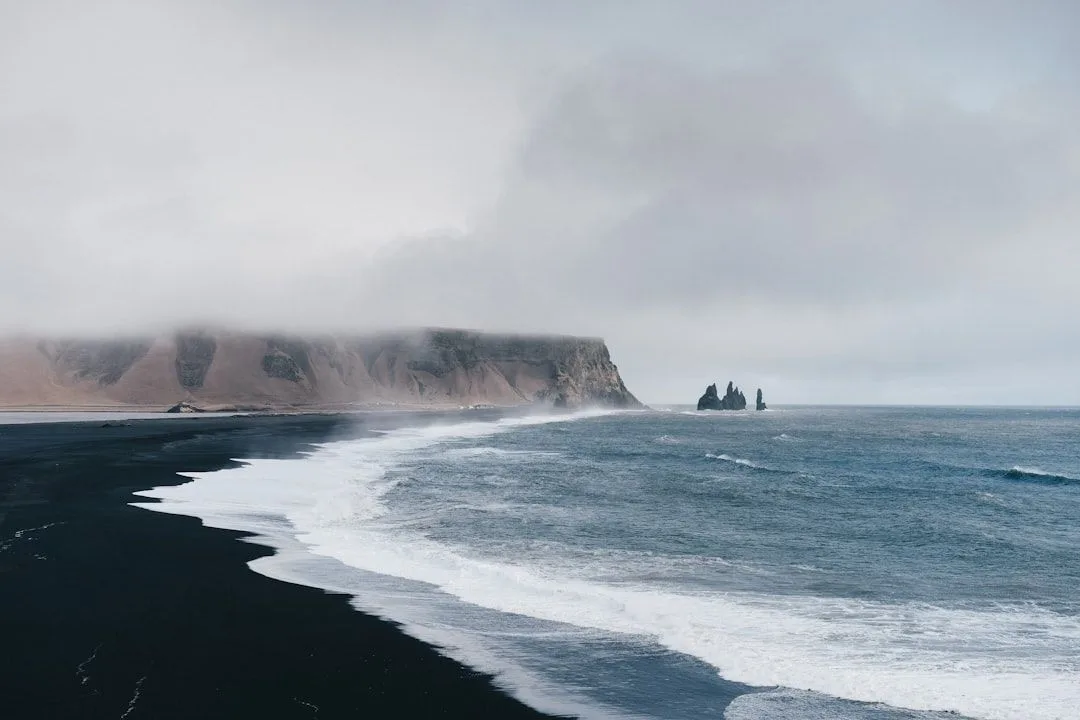
Hawaii's islands are treated as one destination and are genuinely different places. Choosing the wrong one for the trip you want is the most common and most expensive mistake.
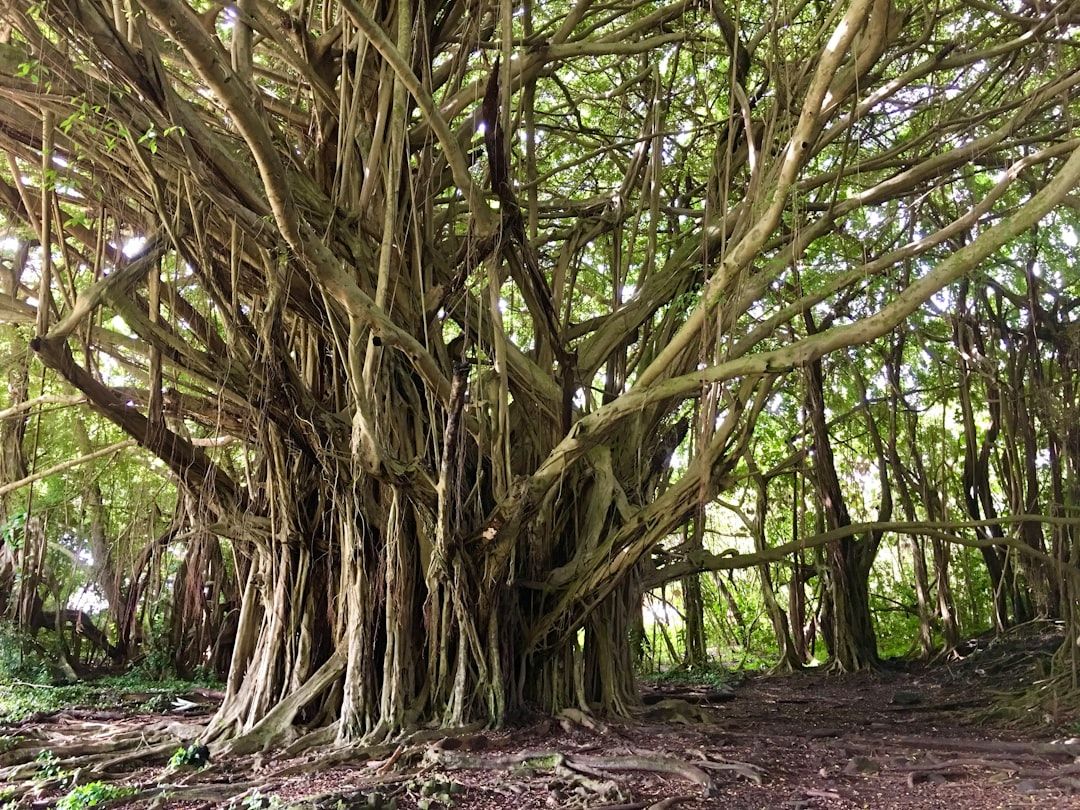
The four
Oahu — the populous one. Honolulu and Waikiki, Pearl Harbor, the North Shore's winter surf, and the best food scene. Best for a first trip combining a city, history and beaches, and the cheapest to reach.
Maui — resorts, the Road to Hāna, Haleakalā's summit above the clouds, and whale watching from roughly December to April. The most developed for tourism.
Kauai — the oldest and most eroded, hence the most dramatic. The Nā Pali coast, Waimea Canyon, and serious hiking. Wettest, greenest, least developed.
The Big Island (Hawaiʻi) — active volcanoes, black sand beaches, snow on Mauna Kea, and the widest range of climate zones anywhere of comparable size. Also the largest, so distances are real.
Island hopping, honestly
Each inter-island flight costs a half day once check-in, transfers and a new car rental are counted.
Rental cars must be returned and re-hired on each island — there are no ferries for vehicles between the main islands.
Two islands in ten days works. Three in a week is a series of airports.
For a first trip of a week, one island is the better answer.
You need a car
On every island except central Waikiki.
Public transport is limited outside Honolulu, and the trailheads, beaches and viewpoints are spread out.
Book well ahead. Island rental fleets are finite, and when they run out prices spike sharply — this is a real and recurring problem.
The lava question
Glowing lava is visible only during an active eruption, which is unpredictable and cannot be booked.
Hawaii Volcanoes National Park on the Big Island is worth visiting regardless — the Kīlauea caldera, lava tubes, steam vents and the Chain of Craters Road down to the sea.
Any operator promising lava should be treated sceptically. Check the USGS volcano status before building a trip around it.
What to book ahead
| Thing | Note |
|---|---|
| Haleakalā sunrise | Reservation required, limited |
| Pearl Harbor / USS Arizona | Free tickets released on a schedule, go fast |
| Diamond Head | Reservation for non-residents |
| Hanauma Bay | Reservation, closed some days |
| Nā Pali Kalalau Trail | Permits beyond a point |
| Rental car | Months ahead in peak |
Several Hawaiian sites have introduced reservation systems in recent years to manage visitor numbers. Check current requirements — turning up without one is now the standard failure.
Respect, which matters here
Hawaii has a live tension about tourism, and some of it is about behaviour.
Do not touch or approach sea turtles or monk seals — legally protected with enforced minimum distances.
Stay on trails and out of closed areas, including private and sacred sites.
Reef-safe sunscreen is required by law; oxybenzone and octinoxate sunscreens are banned.
Timing
April to June and September to November — good weather, fewer people, lower prices.
Winter brings whales, big North Shore surf, and higher prices around the holidays.