Iceland is unusually well suited to self-driving: the landscape is the attraction, it is free, and the roads reach most of it. Three activities are the genuine exceptions.
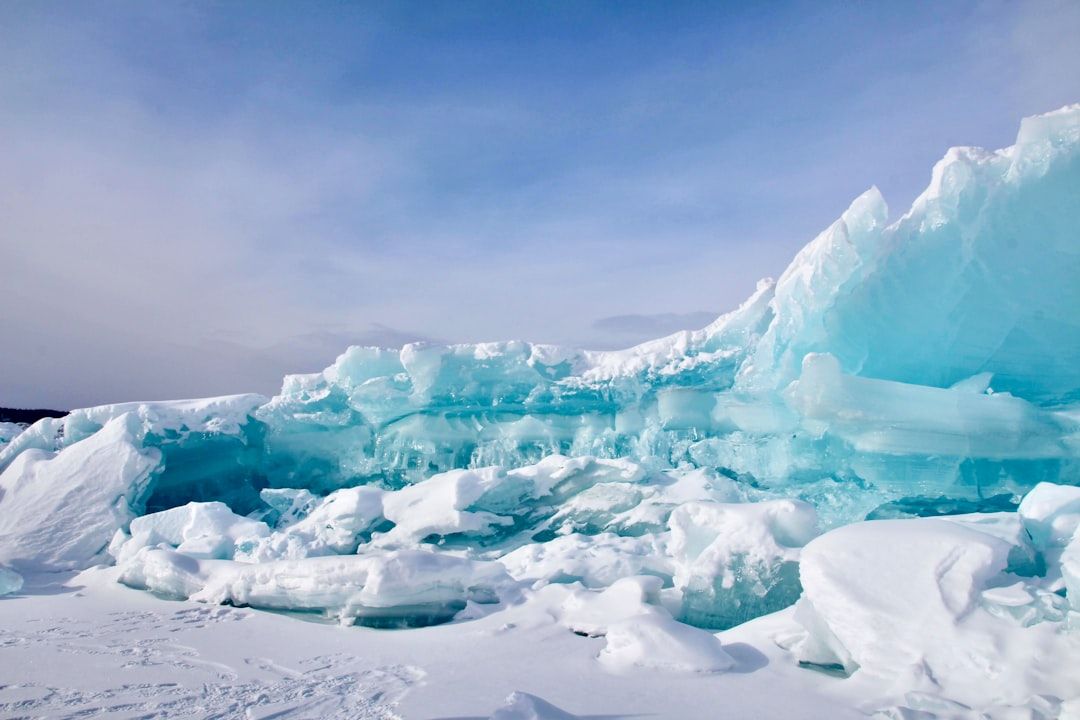
1. Glacier walking
Not a commercial arrangement — crevasses are not visible from the surface. Snow bridges them and they open under weight.
Guided walks provide crampons, ice axes and someone who knows the current state of the ice, which changes constantly.
Usually on Sólheimajökull or Vatnajökull's outlet glaciers, from the south coast. Half a day.
2. Ice caves
Roughly November to March. Natural ice caves form and become safe only in winter, and melt or collapse in summer.
They change year to year, which is why operators scout them each season and why last year's photographs are not this year's cave.
Always guided, always weather dependent, and cancellations are common.
Some man-made ice tunnels operate year round and are a different, more engineered thing — worth knowing before booking.
3. Highland F-roads
If you have not rented a suitable 4x4.
F-roads to Landmannalaugar, Þórsmörk and the interior are legally restricted to four-wheel drive and open roughly late June to September.
Rental insurance is void if you take a two-wheel-drive vehicle onto one, and river crossings are not covered by any standard insurance including in a 4x4.
Super-jeep tours exist for exactly this reason and are the sane option for a short trip.
What a car covers instead
The Golden Circle — Þingvellir, Geysir, Gullfoss — all on good paved roads within two hours of Reykjavík.
The south coast — Seljalandsfoss, Skógafoss, Reynisfjara, Vík, Jökulsárlón.
Snæfellsnes peninsula, sometimes called Iceland in miniature.
The Ring Road, given ten days or more.
The northern lights. Drive away from town lights, check vedur.is, and wait. A tour adds a driver who knows where cloud is thinnest and will rebook you — some value, but the lights themselves are free.
Two more worth booking
Whale watching from Húsavík in the north, which has the best success rates, or from Reykjavík and Akureyri.
Snorkelling or diving at Silfra, the fissure at Þingvellir between the tectonic plates, in glacial meltwater with visibility over 100 metres. Drysuit provided, and it is genuinely cold.
The car practicalities
Check road.is and vedur.is every morning. Roads close with little warning.
Take the sand and ash waiver on the south coast.
Hold the door when opening it. Icelandic wind rips car doors off hinges, and insurance frequently excludes it.
Skip the 4x4 unless going into the highlands.
Timing
Summer for the highlands, midnight sun and full road access.
Winter for ice caves and aurora, with four to five hours of daylight in December and unpredictable driving.
September and early October is the overlap — roads still open, darkness returning, and prices below summer.