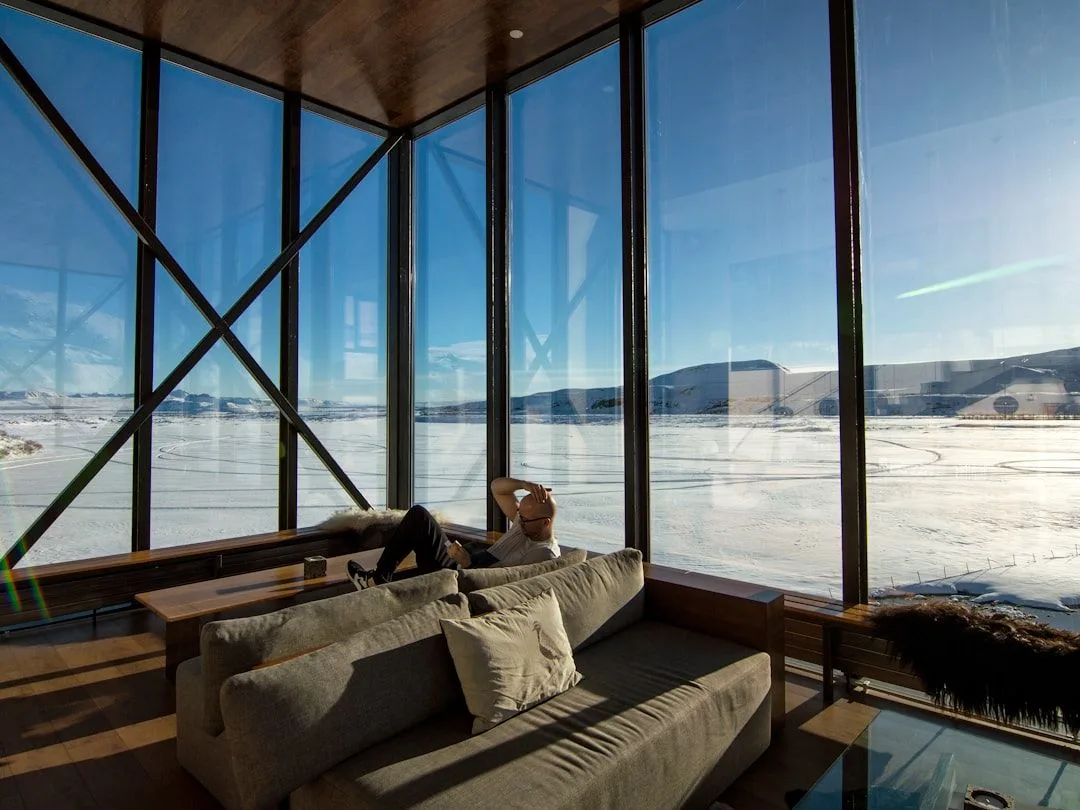
Norway's fjords are famously expensive to visit and the reason is usually the packaging. The scenery itself is served by public transport at public transport prices.
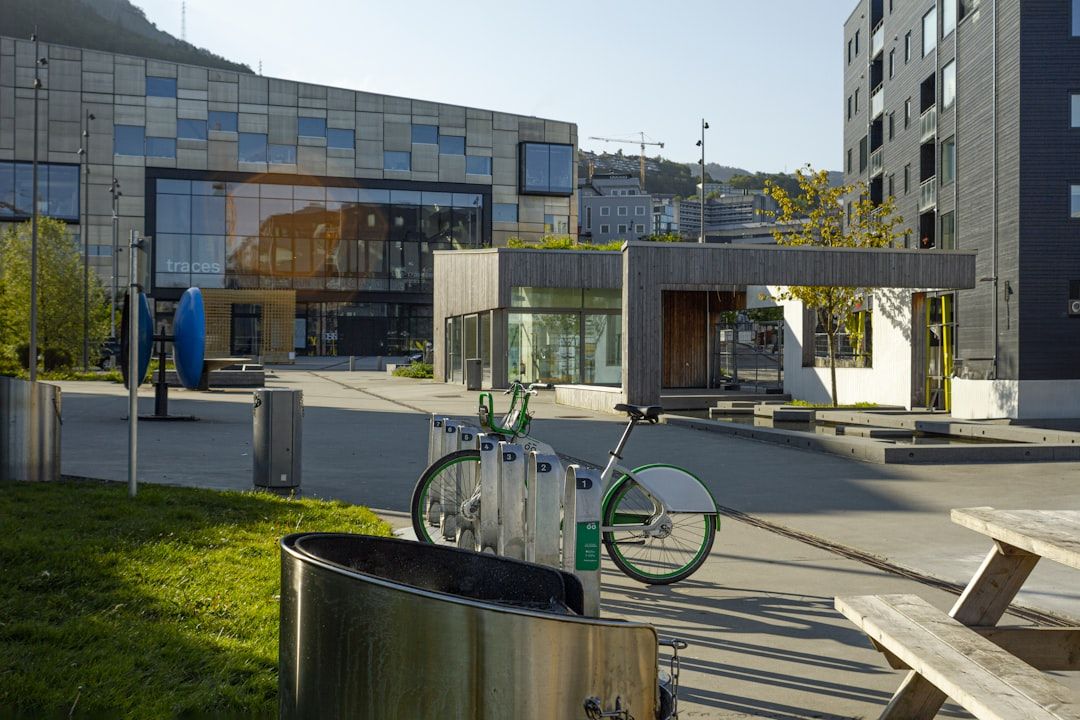
The public network is the tour
Norway's car and passenger ferries cross the fjords as ordinary transport — they are how people get to work. Fares are modest and the views are identical to the excursion versions.
The packaged fjord tours combine the same trains, buses and ferries and charge a premium for the coordination. That coordination has value if you want everything booked; it is not access to anything exclusive.
The route can be assembled yourself from the operators' timetables for substantially less.
The scenic rail
The Bergen Railway — Oslo to Bergen across the Hardangervidda plateau, seven hours, and one of the most scenic rail lines in Europe at a normal fare. Booked ahead it is cheaper still.
The Flåm Railway — twenty kilometres descending from the plateau to the fjord, with a gradient among the steepest of any adhesion railway. Genuinely dramatic, expensive and busy.
The Rauma Railway, from Dombås to Åndalsnes, is less known and equally good.
Which fjord
| Fjord | Character | Access |
|---|---|---|
| Nærøyfjord | UNESCO, narrowest, vertical | From Flåm / Gudvangen |
| Geirangerfjord | UNESCO, waterfalls | Ålesund side, seasonal |
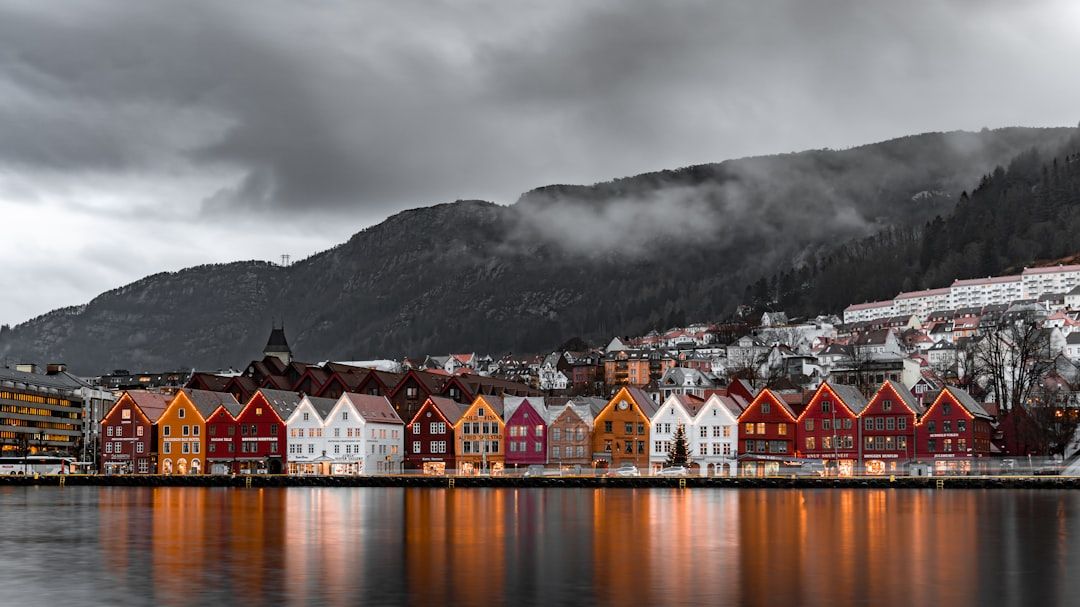
| Sognefjord | Longest, branching | Ferries from Bergen area |
| Hardangerfjord | Gentler, orchards, blossom | From Bergen |
| Lysefjord | Pulpit Rock above it | From Stavanger |
From Bergen with limited time, the Nærøyfjord branch is the most accessible dramatic option.
The walks
Preikestolen (Pulpit Rock) — a flat cliff 600 metres above Lysefjord, four hours return from the car park, no technical difficulty and enormous crowds in July.
Trolltunga — a rock tongue over a lake, ten to twelve hours return, and a serious mountain day that people underestimate every summer.
Kjeragbolten, a boulder wedged in a chasm.
All three are free.
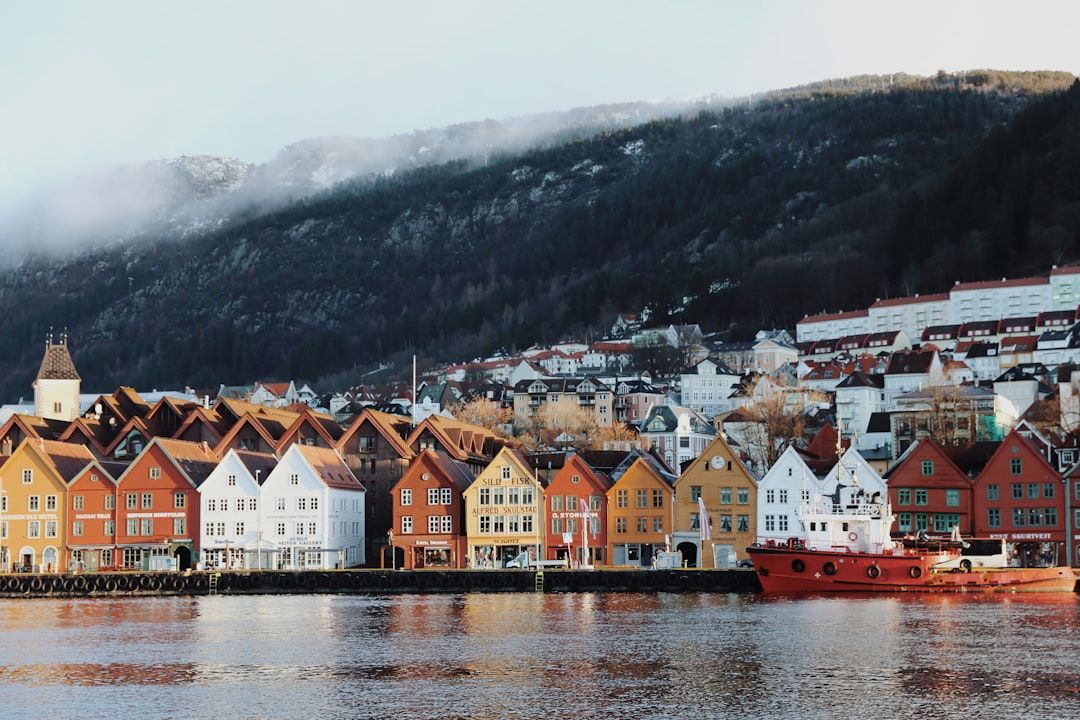
What is worth booking
Glacier walks on Nigardsbreen or Folgefonna — guided for the same reason as in Iceland.
Kayaking on a fjord, which puts you at water level beneath the walls.
The Hurtigruten coastal ferry, which is a working mail and passenger service the length of the coast and can be taken for single legs rather than the full voyage.
The cost problem
Norway runs roughly double western European prices for food and alcohol.
Supermarkets — Rema 1000, Kiwi, Coop Extra — and self-catering.
Cabins (hytter) at campsites, which are cheap and common.
Allemannsretten, the right to roam, permits free wild camping on uncultivated land under specific conditions — at least 150 metres from a dwelling, maximum two nights in one spot. This is a genuine legal right, not a tolerance.
Timing
June to August for full ferry schedules, open mountain roads and midnight sun in the north.
May and September are quieter with most services running.
Winter closes many mountain roads and seasonal routes; the coast and the north work for aurora.