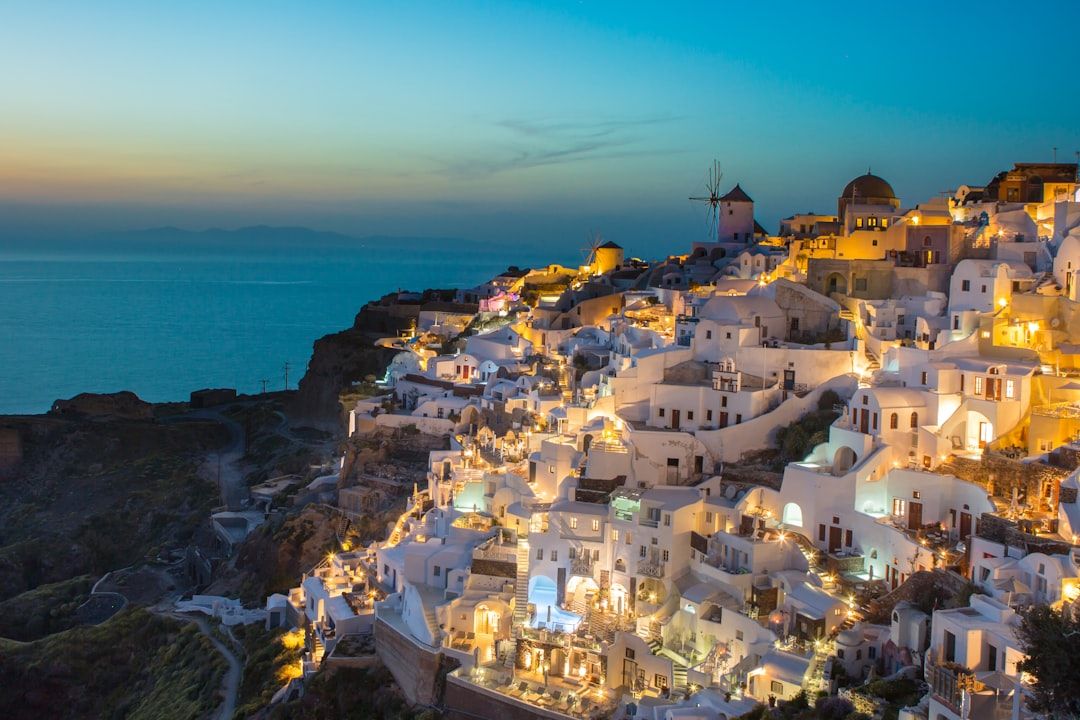
Santorini sells more excursions per square kilometre than almost anywhere in Greece. Most duplicate a view you can walk to. One shows you something you cannot see any other way.
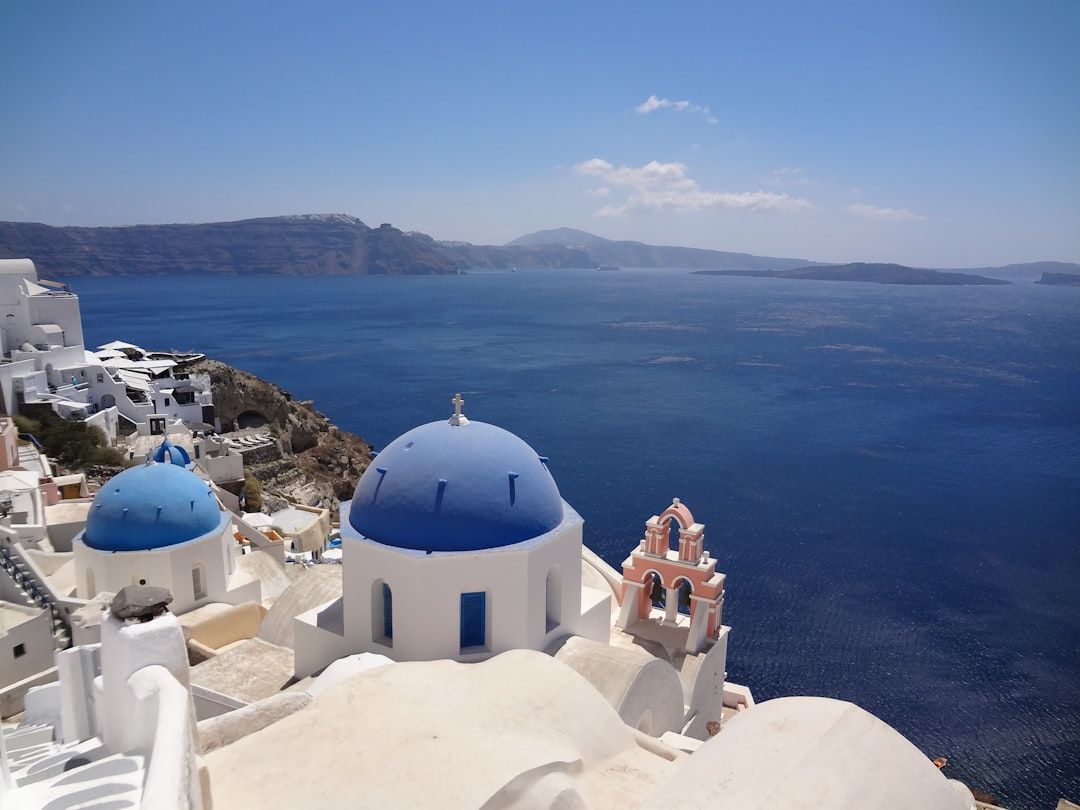
The caldera sail
Santorini is the rim of a flooded volcanic crater, and that shape is only visible from the water. From land you see a cliff; from the middle of the caldera you see what happened here.
Half-day catamaran sails stop at the hot springs — sulphurous warm water where the boat anchors and you swim across, which stains light swimwear — and at the Red Beach and White Beach, both reachable only by sea.
The sunset version costs more and is the better one, since you watch the light go from the water rather than from a crowd.
Smaller boats are considerably better than the large ones. Look for a stated maximum group size.
The volcano
A boat to Nea Kameni, the young island in the middle of the caldera, then a walk up a black cinder path to the crater rim.
The geology is genuinely interesting — the island is still growing — and the walk is hot, unshaded and on loose ground. Good shoes, water, and not the best choice in August at midday.
Often combined with the hot springs and Thirassia, the small inhabited island across the caldera.
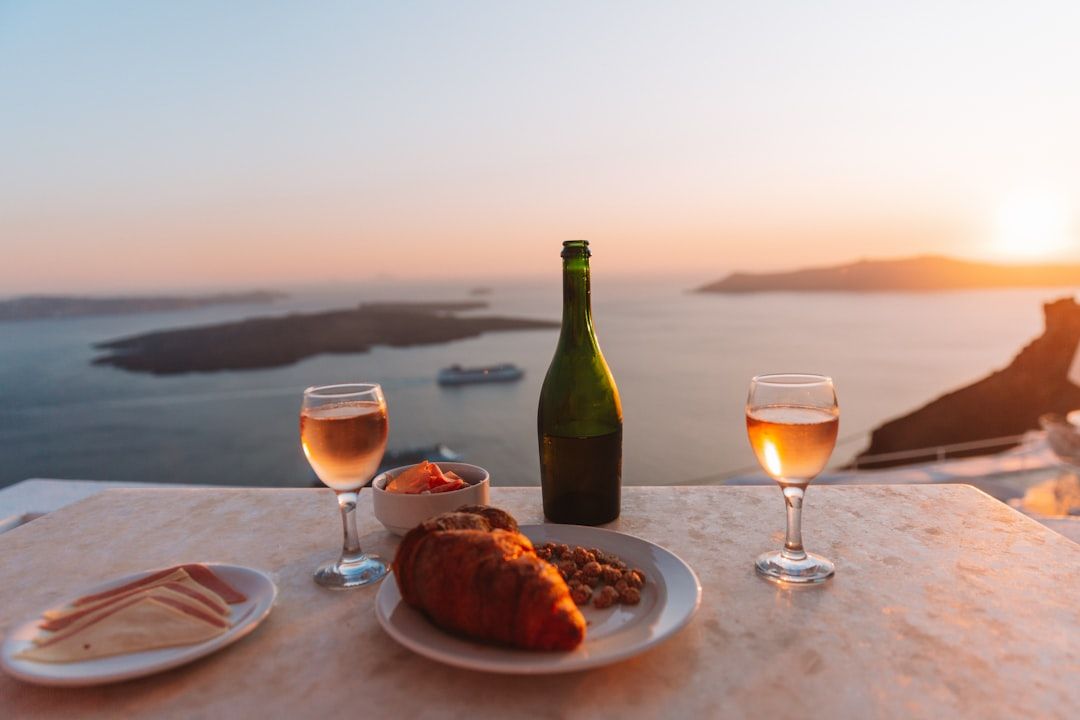
Wine
Santorini's wine is unlike anywhere else and the reason is visible in the fields: vines trained into low basket shapes on the ground, called kouloura, to shelter the grapes from wind and catch what little moisture the air holds.
Volcanic soil, almost no rainfall, and phylloxera-free roots that are in some cases centuries old.
Assyrtiko is the grape — dry, mineral, high acid — and Vinsanto is the sweet sun-dried version.
Several wineries have caldera-facing terraces, and tastings are inexpensive by island standards.
What needs no tour
The Fira to Oia caldera path — about ten kilometres along the rim, three to four hours, and the best thing on the island. Start early; there is no shade.
Akrotiri, the Bronze Age town buried by the eruption and preserved under ash — sometimes called the Greek Pompeii, though it predates it by 1,500 years. Under a roof, so it works in heat, and reachable by bus.
Ancient Thera, on a ridge above Kamari.
Pyrgos, the old inland capital, with a castle and views both ways.
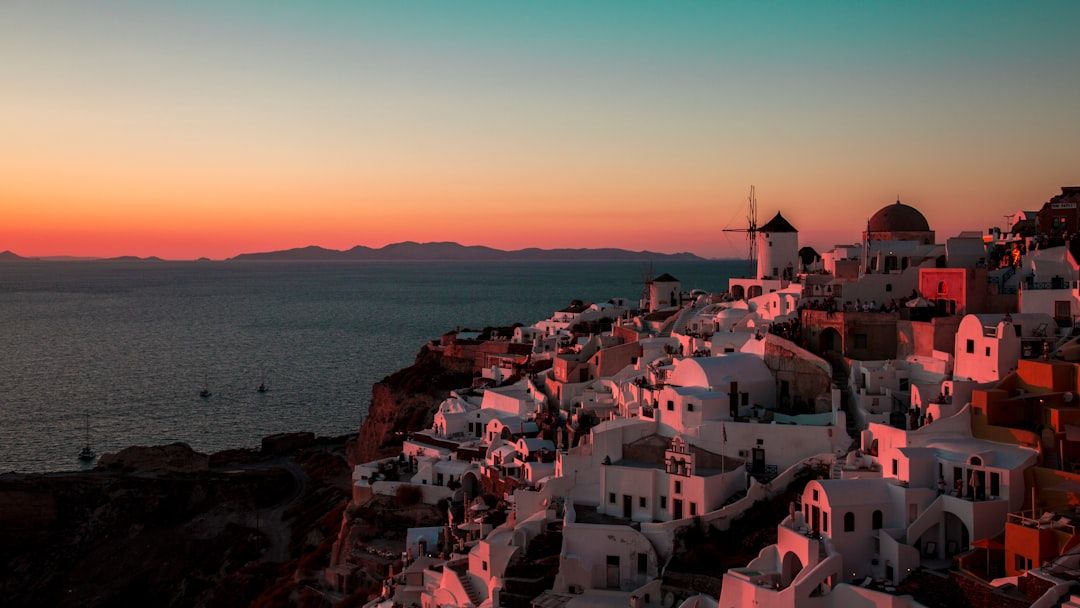
The sunset problem
Not Oia's castle. Crowds gather hours ahead and the experience is largely other people's shoulders.
The sun sets over the entire western rim. Imerovigli, the caldera path, a boat, or any west-facing terrace gives the same sunset without the crush.
Practical
Season: May, June, September, early October. July and August are hot, full and expensive; winter closes much of the island.
Getting around: buses run from Fira to most places and are cheap. Renting an ATV or car helps for the beaches and Pyrgos.
The cable car from the old port queues badly when cruise ships are in. Walking the 588 steps is an option; the donkeys are not one worth taking, on welfare grounds.