Almost every visitor to Iceland books at least one organised day out of Reykjavik, and the market is dominated by three products that sound similar and are not. Understanding the difference before you book is worth more than any discount, because the wrong choice costs you a day and Iceland days are expensive.
The Golden Circle
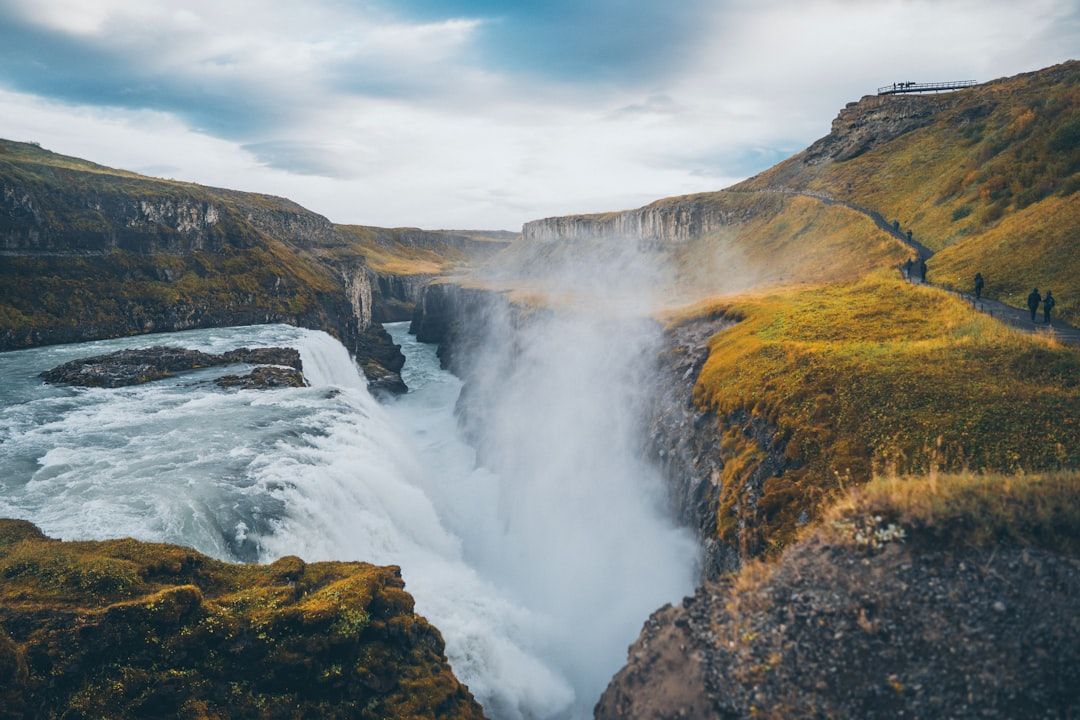
Three stops in a loop east of the capital: Thingvellir, the rift valley where the Atlantic plates pull apart and where Iceland's parliament met from the tenth century; Geysir, the geothermal field whose Strokkur spouts every few minutes; and Gullfoss, a broad two-tier waterfall in a canyon.
It is the most booked tour in the country and the least necessary. All three sit on good sealed roads within about two hours of Reykjavik, the car parks are large, and the walking is minimal. If you have a car, this is the day you should do independently — you will spend half as long at Geysir as a coach schedule allows and twice as long at Thingvellir, which is the part that rewards time.
Take it as a tour if you are not driving, if you are visiting in winter and would rather someone else assess the road, or if you specifically want the geology explained, which genuinely improves Thingvellir.
The South Coast
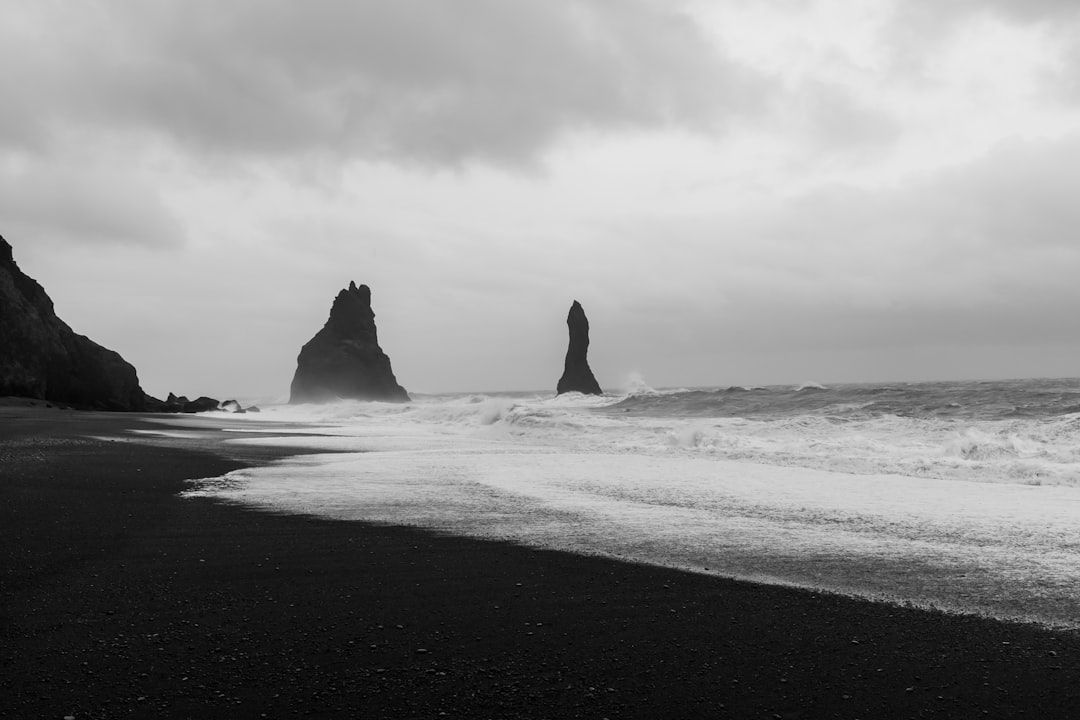
The better day, and the one to choose if you only have one. It runs east along the ring road to Seljalandsfoss, where a path leads behind the falling water, and Skogafoss, a wide curtain with a steep staircase to a viewing platform at the top. Then the black sand beach at Reynisfjara and, on longer versions, the glacier tongue at Solheimajokull.
Budget ten to eleven hours. It is a long day with real driving between stops, and in winter it runs largely in the dark at both ends.
One serious warning, because it is the most dangerous tourist site in the country: the waves at Reynisfjara are sneaker waves, arriving without pattern and far up the beach, and they have killed visitors. Stay well back from the water line, never turn your back on the sea, and take the warning signs literally.
Glacier and ice cave tours
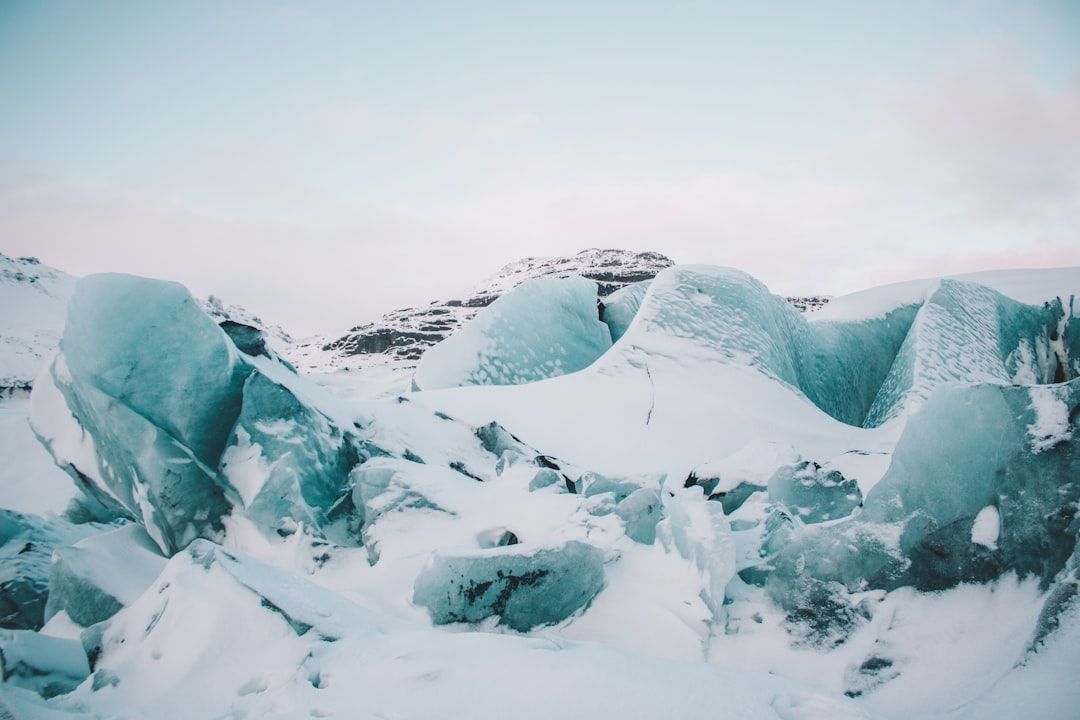
Two different things sold under similar names. Glacier hiking runs year-round on outlet glaciers such as Solheimajokull and Skaftafell, with crampons and a guide, and is accessible to anyone reasonably fit. Natural blue ice caves are a winter product only — roughly November to March — because they form and collapse seasonally and are only safe when the ice is cold and stable.
Some operators offer a man-made ice tunnel that runs year-round. It is a fair substitute in summer and it is not the same thing; check which you are buying.
Never walk onto a glacier unguided. Crevasses are frequently covered by snow bridges and are not visible from the surface.
Super jeep tours
These are modified trucks on oversized tyres, and they exist for a specific legal and practical reason: the interior highland roads, marked F-roads, are closed to ordinary vehicles, require river crossings, and are open only in summer, roughly late June to September depending on snowmelt.
If your destination is Landmannalaugar, Thorsmork or a glacier surface, a super jeep is the way you get there. If your destination is anywhere on the ring road or the Golden Circle, you are paying a large premium for a vehicle whose capability you will not use.
Northern lights, separately
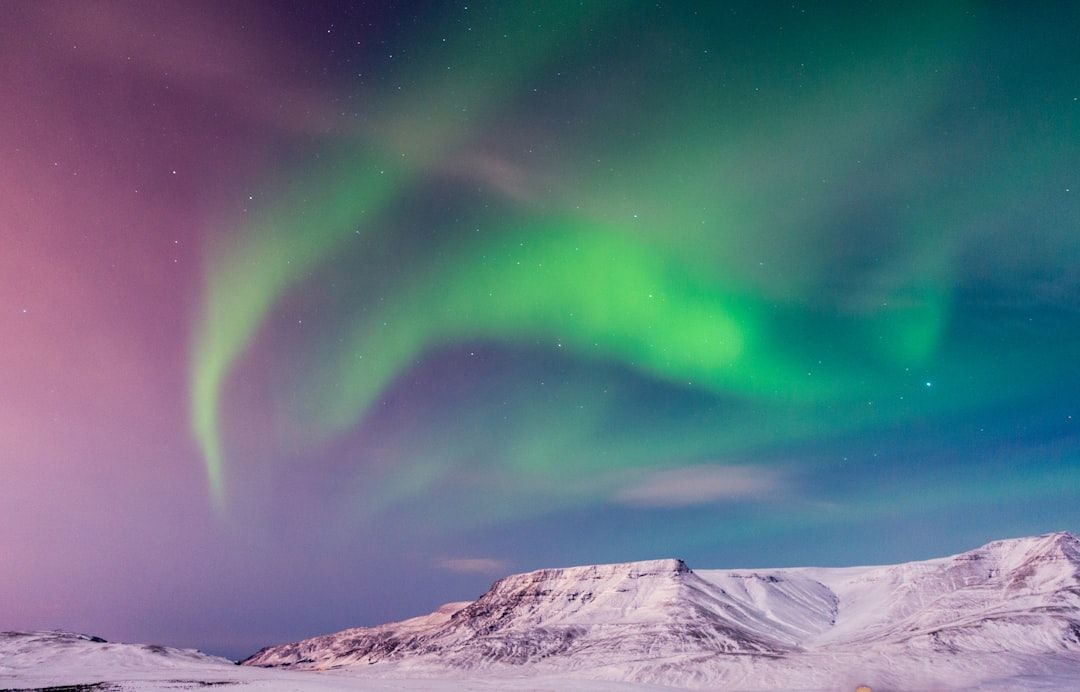
Aurora tours are a night product and run roughly September to April. No daytime tour includes them, whatever the listing implies.
The single most useful thing to know is that cloud, not aurora activity, is what usually ruins a night. Book with an operator that re-runs you free on a failed attempt, and book early in your stay so you have nights left to use the re-run. Two or three attempts across a week gives you a far better chance than one.
Choosing
With a car and one day: drive the South Coast yourself. With a car and two: South Coast, then the Golden Circle at your own pace.
Without a car and one day: the South Coast as a tour. Without a car and three or more: South Coast, a glacier hike, and an aurora attempt if you are there in season — and treat the Golden Circle as the one to drop if something has to go.
In every case, book the weather-dependent things early in your trip. Iceland cancels tours often and for good reason, and you want spare days behind you rather than a flight the next morning.